






Preparing for the Return Home and Your New Routine with Your Partner
Going home after the birth can be one of the most symbolic moments of the postpartum period. Prepare for it in the best possible way.
Read more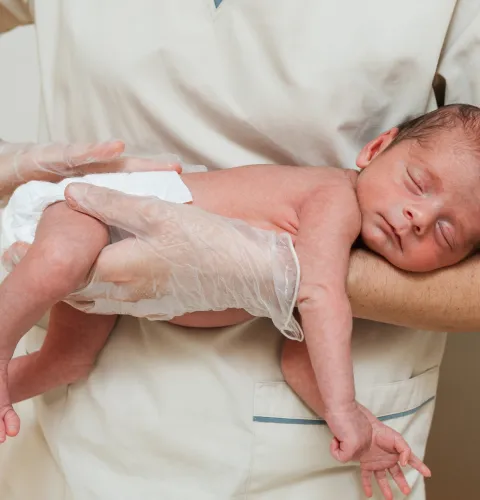
Paediatric physiotherapy shouldn't be seen as a tool to use only when a baby or child has an injury or health problem. Its preventive role is extremely important. Early assessment is how we can prevent a range of changes in a baby's motor development.
By the time a baby is born, they have already been through some experiences, some of them traumatic, from the use of instruments and assisted delivery manoeuvres, or from their own position inside their mother's tummy. All these factors will influence your baby's motor development and, often, the changes they leave are minimal, but over time they can show up as poor nights' sleep, reflux, colic, torticollis and many other issues.
Understanding the pregnancy and labour is essential to assess the baby properly and prevent future problems.
Alongside this assessment, the baby will be examined so that the treatment plan can be as targeted and specific to their needs as possible.
Knowing the stages of development and respecting them is another key point for the healthy motor development of babies and children. And here, too, physiotherapy plays a central role, as it offers strategies suited and adapted to the baby's age, supporting their proper progress.
Article written by Joana Rodrigues, Physiotherapist specialising in Maternal and Child Health and founder of the Origem project
Going home after the birth can be one of the most symbolic moments of the postpartum period. Prepare for it in the best possible way.
Read more
Breastfeeding after breast cancer is, above all, a story of hope. It is about believing once again in the strength that lives within every woman.
Read more
Comments (0)
Be the first to comment on this article.