






Postnatal Mental Health: Recognising the Signs and Taking Care
An article by clinical psychologist Ana Beatriz Sousa explaining the importance of mental health after giving birth.
Read more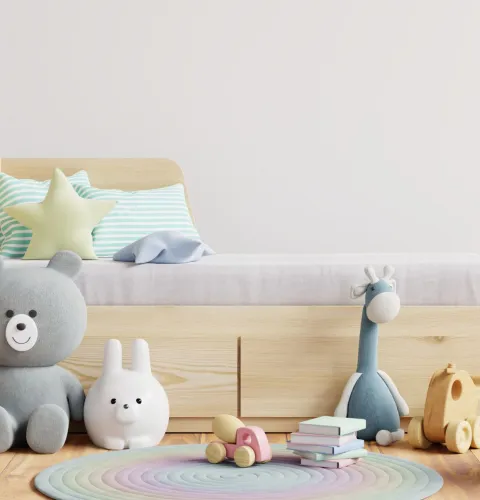
Our bedroom should be the "temple" of sleep, so it's essential to build good, healthy associations with the space, especially for little ones.
A healthy bedroom is simple, tidy, comfortable, quiet, well ventilated and safe.
7 tips for a dream bedroom
Keep anything to do with work or entertainment, including devices and equipment, out of the bedroom.
Make sure the room is free of stimuli.
Choose colours for the bedroom that give you a sense of calm and serenity.
Air the room and, if possible, let the sunlight in.
Make the bed every day.
Pay attention to the temperature, which should ideally be around 19ºC. To sleep, we need to be at a pleasant temperature, creating the conditions for the relaxation that sleep requires.
Taking a bath or shower can be relaxing for most of us. And it cools us down too!
How should you clean the bedroom?
Yes, how clean your bedroom is affects your sleep!
The room should be cleaned regularly. Textiles in particular (curtains, rugs, bedding...) are great dust traps, so it's best to wash and change them often. The fewer dust traps we have, the better!
Choose cleaning products for the bedroom that are as mild, non-corrosive and non-toxic as possible. Their harmful effects remain even after they have dried.
Many of the products we usually use to clean our homes may not be ideal for the bedroom: they are bad for sleep and breathing, harsh on the skin and can help trigger allergies. Older generations used water with vinegar and even bicarbonate of soda, as they were less abrasive. Today there are organic, non-toxic products on the market.
Article written by Ana Maria Pereira, Sleep Therapist
An article by clinical psychologist Ana Beatriz Sousa explaining the importance of mental health after giving birth.
Read more
Getting back into exercise after giving birth can be a challenge. This article answers the most common questions.
Read more
Comments (0)
Be the first to comment on this article.