






Preparing for the Return Home and Your New Routine with Your Partner
Going home after the birth can be one of the most symbolic moments of the postpartum period. Prepare for it in the best possible way.
Read more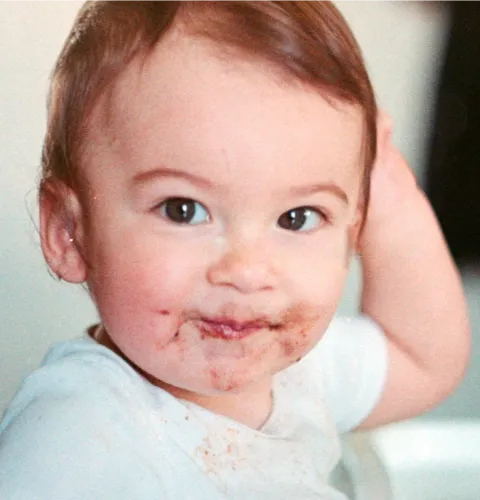
BLW offers many different benefits, both in supporting your baby's healthy development and in terms of family relationships. If I had to pick three of the many advantages that families and scientific evidence highlight as most important, I would most likely choose:
1. Learning about and accepting food
It's a fact that this approach gets excellent results when it comes to babies learning about and accepting food, making the introduction of solids a natural and successful process, with remarkable development of chewing and motor coordination. Studies* show a greater liking for vegetables, namely enjoying a wider variety of fruit and vegetables by around two years of age.
2. The multisensory experience this approach offers
When I talk about a multisensory experience, the truth is that BLW encourages eating as a multisensory experience, in which the baby individually enjoys the colours, smells, flavours and textures of food.
It's about tasting from a distance where smell is concerned because, as babies smell the aroma of food while we cook it, this prepares them for its taste. On the other hand, the colour and look of the food act as a kind of rehearsal for what will happen in the mouth once it's eaten.
As for flavour, preferences develop over time and can vary between sweet, salty, sour and bitter.
Even textures and mouthfeel benefit from learning, so I recommend offering stimulation so that the baby gets used to them. Sound shouldn't be overlooked either: both internal (when the baby chews the food) and external (for example, when food falls on the floor or the noise it makes when the baby squeezes it).
3. BLW makes mealtimes a family celebration in which everyone takes part
Last, and perhaps most importantly, there's the idea that this approach to feeding is a moment of family celebration, as it allows and encourages us to share this moment and the food it involves with our babies, who learn to feed themselves by example. At the same time, the family itself improves its eating habits (concerned about the nutrients the baby is eating, they end up having healthier meals) and saves time by preparing the same food for everyone.
On top of this, because everyone has to eat at a calm pace that matches the baby's, it ends up helping to prevent overeating.
Finally, it's worth remembering that sensations motivate children to approach or move away from a meal, that is: when they find pleasure in the sensations, they want to come back, which helps build a healthy relationship with food – which, ultimately, will always be the main goal of every mum, dad or carer.
Article written by Nurse Maria Fernandez, Specialist in Maternal Health and Obstetrics
*SFF (Appetite. Volume 137, 1 June 2019, Pages 198-206, Differences in parental feeding styles and practices and toddler eating behaviour across complementary feeding methods: Managing expectations through consideration of effect size.
Going home after the birth can be one of the most symbolic moments of the postpartum period. Prepare for it in the best possible way.
Read more
Breastfeeding after breast cancer is, above all, a story of hope. It is about believing once again in the strength that lives within every woman.
Read more
Comments (0)
Be the first to comment on this article.