






Postnatal Mental Health: Recognising the Signs and Taking Care
An article by clinical psychologist Ana Beatriz Sousa explaining the importance of mental health after giving birth.
Read more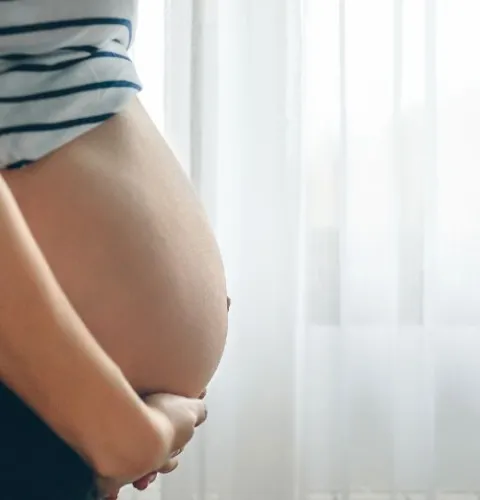
The second trimester of pregnancy runs from week 14 to week 27. This is the trimester in which the baby grows.
What happens to mum?
For many mums, the second trimester is the most enjoyable and comfortable stage of pregnancy. Morning sickness has probably passed, and your bump starts to grow and show! Many pregnant women say they feel more energetic and physically well.
Usually, once the nausea ends your appetite returns to normal, but it is important not to “eat for two” and to keep to a healthy diet.
Use the extra energy to start or keep up an exercise routine: walking, swimming and antenatal yoga can be good options for exercise in pregnancy. Also on the health front, it is essential to take extra care of your teeth and gums, which may be more sensitive.
Over the coming weeks you will start to feel your baby move – very faintly at first, but vigorously by the end of the trimester. Dad may already be able to feel the baby moving by touching mum's bump.
What happens to the baby?
During the second trimester, the baby's growth speeds up. While the baby starts to gain weight, its internal organs keep maturing and practising their functions, getting ready for life outside the womb.
By the end of the second trimester:
The baby moves around, brings its hands to its mouth and practises swallowing, taking in and expelling amniotic fluid;
The baby may get hiccups – but don't worry! They don't usually last long and help train its little diaphragm.
The baby recognises the sounds made by the mother's body, such as breathing, heartbeat and voice. It also moves to the rhythm of music.
Its face looks fully human and its features are practically defined.
The baby already sleeps and wakes at regular intervals and opens and closes its eyes.
But remember: every baby has its own pace of growth, even in the womb, and the developmental stages described reflect general observations and may happen earlier or later than indicated.
Article written by the Mamãs Sem Dúvidas Team, reviewed by Dr Michelle Sister, General Practitioner
An article by clinical psychologist Ana Beatriz Sousa explaining the importance of mental health after giving birth.
Read more
Getting back into exercise after giving birth can be a challenge. This article answers the most common questions.
Read more
Comments (0)
Be the first to comment on this article.