






Postnatal Mental Health: Recognising the Signs and Taking Care
An article by clinical psychologist Ana Beatriz Sousa explaining the importance of mental health after giving birth.
Read more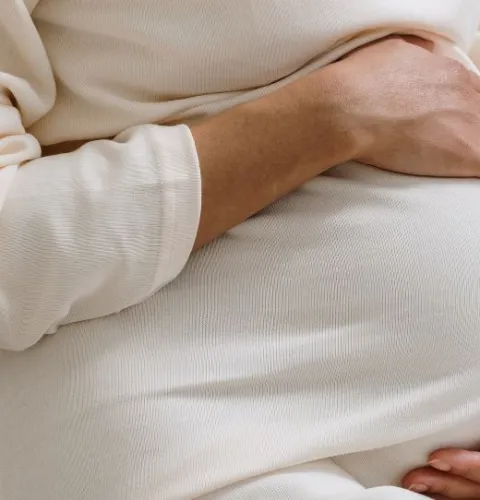
While still in the womb, your baby begins to develop their senses, balance and emotions. Your baby is already able to feel many of the things that are happening to you, their mum.
The feelings, the tone of the voices they can already hear and the reactions they can pick up are essential for their future emotional development.
Below, by gestational age, is what your baby feels during pregnancy:
Heartbeat - from the 10th week of pregnancy, still in the first trimester, your baby can already feel your heartbeat. This may explain why babies become so calm when they are held close to their mum's chest.
Conversations - between the 18th and 24th weeks, your baby develops their hearing. So, already in the second trimester, they can hear the outside world and, in this way, begin to form an emotional bond with the voices they hear. When they are born, they can recognise those voices, which helps them feel safe and protected.
Emotions - thanks to certain hormones, such as serotonin and endorphins, which are linked to feelings of wellbeing, your baby can sense when you are happy. But they can also sense the release of adrenaline into your blood when you feel frightened, nervous or stressed.
Affection - from the fourth month of pregnancy, your baby begins to develop their sense of touch. So stroking your bump gives them a feeling of comfort and wellbeing.
Mum's change of position - at around 17 weeks of pregnancy, your baby's sense of balance starts to improve, and they can already feel when you change position, when you sit down, lie down or get up, and even when you do some physical activity, such as stretching or yoga.
Music - babies tend to like sounds that resemble the human voice, such as the sound of a piano or choirs. Exposing babies to music while they are still in the womb helps them recognise melodies after birth.
Taste - in the last trimester of pregnancy, babies begin to taste the amniotic fluid, whose flavour changes according to what you eat. When they taste something they don't find pleasant, they may even pull faces!
Article written by the Mamãs Sem Dúvidas Team, reviewed by Dr Michelle Sister, General Practitioner
An article by clinical psychologist Ana Beatriz Sousa explaining the importance of mental health after giving birth.
Read more
Getting back into exercise after giving birth can be a challenge. This article answers the most common questions.
Read more
Comments (0)
Be the first to comment on this article.