






Postnatal Mental Health: Recognising the Signs and Taking Care
An article by clinical psychologist Ana Beatriz Sousa explaining the importance of mental health after giving birth.
Read more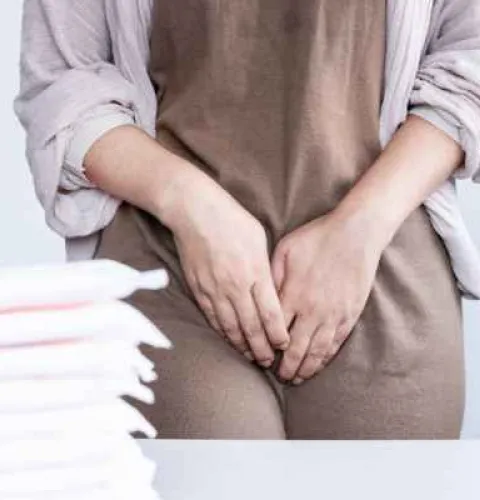
Vaginal dryness is a symptom that can appear at different times in a woman's life, and it may come with other related symptoms, such as pruritus (itching), urinary urgency, urge urinary incontinence and dyspareunia (pain during sex).
The causes can vary, as can the treatments. It is important that health professionals show openness, availability and sensitivity, both when gathering information and when proposing treatment, and even in involving the partner, so that the situation is better understood and the real gains in quality of life for both are recognised.
A relationship of trust between the patient and health professionals is paramount, especially on such intimate matters. We know that most women do not mention these complaints out of embarrassment, as it is a taboo, private subject; saying that you have dyspareunia or some loss of sexual interest is awkward, so many prefer not to talk about it, even believing it is inevitable and part of ageing.
The most common causes are
Physiological and iatrogenic hormonal changes. The drop in oestrogen usually comes with the menopause (when the ovaries stop functioning); vaginal dryness is the second most common complaint among women at this stage, yet only around 7% of these women are treated for vulvovaginal symptoms, according to the REVIVE study (Real Women’s Views of Treatment Options for Menopausal Vaginal Changes).
The vulva and vagina respond to this hypo-oestrogenism with anatomical and trophic changes, such as a rise in pH and in parabasal cells and a reduction in superficial cells, leading to reduced vaginal fluid secretion and lower lactobacillus levels. However, oestrogen can also drop at other times, such as during breastfeeding, after birth, and when anti-oestrogen medicines are used to treat other problems.
Products used in the intimate area can cause allergies or irritation, especially with frequent vaginal douching using products that gradually change the vagina's natural pH and vaginal flora, which can predispose to vulvovaginal infections, vaginal dryness, pain and itching. Underwear made from synthetic fibres rather than cotton can also cause this kind of irritation, leading to vaginal dryness, so suitable intimate hygiene products and cotton underwear should be used.
Anxiety and stress can disrupt the normal functioning of a woman's body, possibly reducing her libido and sexual desire, which can lead to reduced production of vaginal lubrication.
Many medicines can have side effects. Some of the most common types of medication that can have a negative effect on vaginal lubrication are the contraceptive pill, antidepressants and some antibacterials. These types of medicine can alter oestrogen levels, changing the levels of moisture or fluids produced by the vagina.
Every couple's sexual dynamic is unique, and each woman may respond differently and at a different pace to stimulation. It is important that sexual stimulation happens naturally, with understanding and time, so that the physiological changes that come with increased female libido can be reflected in vaginal lubrication, avoiding penetration without adequate stimulation.
Whatever the cause, it can have a strong impact on quality of life, potentially limiting basic daily activities such as walking, sitting and exercising, but above all affecting sexual life, redefining what it means to be a woman.
Approaches and treatments
There are various treatments available, most of them local treatments with few or no side effects, as their systemic action is nil or very low. Hormonal treatment is available, either systemic or purely vulvar and vaginal (estradiol, estriol and colpotrophine), in different doses and formulations – cream, gel and vaginal tablets.
After birth and during breastfeeding, the changes in oestrogen levels are usually temporary; as long as the woman/couple understands this, the treatment – also temporary – is simple.
The non-hormonal approach, very much focused on temporary situations such as the postnatal period and breastfeeding, includes a range of vaginal moisturisers and lubricants with no restrictions on their use, and there is also a new vaginal treatment option, prasterone pessaries, which, besides treating vaginal dryness, may have a beneficial effect on sexual function.
In more complex clinical conditions that require anti-oestrogen medicines, the treatment may be very similar, although psychologically it may not be so easily accepted.
Other treatment approaches have emerged, such as vaginal laser therapy. It is a method that has been expanding in several countries, including Portugal. Although it is not a first-line treatment and needs more long-term studies, the most recent results appear promising for those who, for example, prefer to avoid topical treatments.
Hyaluronic acid, which promotes hydration of the vulvar and vaginal mucosa, has no contraindications but, like laser treatment, requires a medical procedure and the discomfort of local injections.
It is important to recognise the clearly positive balance, given how simple and available the treatments are, hormonal or not, compared with the gains in quality of life.
Article written by Pedro Correia, Maternal and Obstetric Health Nurse
An article by clinical psychologist Ana Beatriz Sousa explaining the importance of mental health after giving birth.
Read more
Getting back into exercise after giving birth can be a challenge. This article answers the most common questions.
Read more
Comments (0)
Be the first to comment on this article.