




Postnatal Mental Health: Recognising the Signs and Taking Care
An article by clinical psychologist Ana Beatriz Sousa explaining the importance of mental health after giving birth.
Read more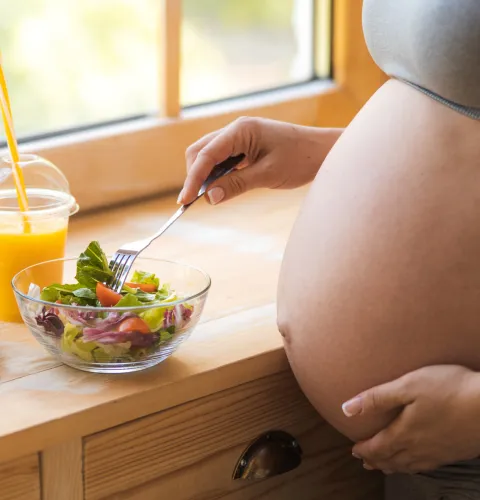
A pregnant woman's nutritional status has implications not only for her own health, but also for the health of the developing child. Impaired intrauterine growth and development can lead to metabolic, cardiovascular or endocrine conditions in the foetus that appear in adult life. On the other hand, maternal obesity can lead to difficulties during labour and to complications during pregnancy, such as gestational diabetes, pre-eclampsia and premature birth.
It therefore becomes extremely important to maintain an appropriate diet, through a lifestyle that, on the one hand, optimises maternal health and, on the other, reduces the risk of birth defects, growth and developmental problems or chronic health problems in the child.
The key components of a lifestyle that promotes a pregnant woman's health include eating a variety of foods in appropriate amounts, taking vitamin and mineral supplements in the right doses and at the right time, removing potentially harmful substances from the diet (alcohol, tobacco, drugs, etc.) and appropriate weight gain.
The extra energy needed over the course of a pregnancy varies according to the stage of gestation, nutritional status, level of physical activity, age, starting weight, etc. So, to meet the needs of this period, you should eat a varied range of fibre-rich foods such as fruit and vegetables, favour lean meats, small amounts of foods high in fat and/or sugar, and include dairy products – calcium. However, in certain cases and for certain nutrients, supplements should be considered; this should be checked in good time and adjusted case by case.
You have probably already received a huge number of warnings about dangerous foods during pregnancy. While it is true that some foods pose a potential risk to the baby, the vast majority are safe. Even so, it is essential to draw attention to a few aspects of food safety, so that you can make sensible decisions without unnecessary worry.
If you are pregnant and not immune to toxoplasmosis, you should only eat fruit that has been thoroughly washed and peeled, disinfecting it whenever necessary; avoid fruit salads or cut fruit when eating out; properly disinfect raw salads; avoid undercooked meat, especially pork; and wash your hands well if you touch cats.
To prevent listeria infection, you should avoid unpasteurised dairy products, especially mould-ripened cheeses such as brie, roquefort and others, and choose hard cheeses instead.
In general, you should avoid fish with high levels of mercury, such as shark, swordfish, mackerel or monkfish; avoid meat, fish and eggs that are not properly cooked; when eating leftovers, make sure they are thoroughly reheated; and avoid unpasteurised juices and vegetables such as spinach, watercress and lettuce, as they are considered bioaccumulators of pollutants (nitrates, heavy metals and pesticides).
As for alcohol, since no safe level of consumption has yet been established, it is best to avoid it completely.
You have surely heard that caffeine is another forbidden substance during pregnancy. The truth is that it crosses the placenta and affects the foetal heart rate, but it is not necessarily dangerous as long as it is consumed in moderate amounts, and you should review your intake with your doctor.
In special circumstances such as constipation, pregnant women are advised to increase their fibre intake (particularly wholegrain cereals), drink plenty of fluids and do moderate physical exercise.
Article written by Dr Andreia Santos, Nutrition Specialist
You can find out more on her website and Instagram.
An article by clinical psychologist Ana Beatriz Sousa explaining the importance of mental health after giving birth.
Read more
Getting back into exercise after giving birth can be a challenge. This article answers the most common questions.
Read more
Comments (0)
Be the first to comment on this article.