






Postnatal Mental Health: Recognising the Signs and Taking Care
An article by clinical psychologist Ana Beatriz Sousa explaining the importance of mental health after giving birth.
Read more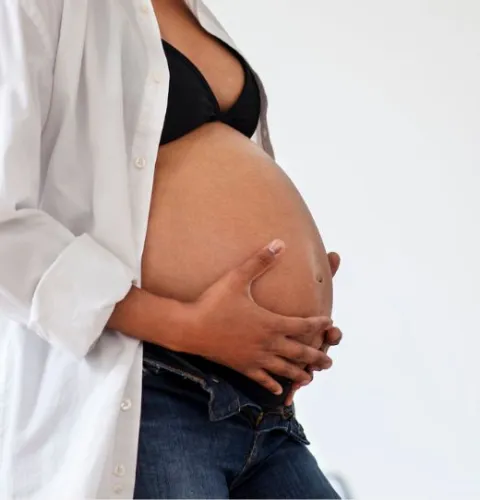
One topic that interests everyone is the baby's sex, about which everybody has theories and explanations based on the shape of the mum-to-be's bump, its position, symptoms and other physical signs. This is where the myths about carrying a boy or a girl come from.
Finding out you are pregnant brings a great deal of joy and happiness to the whole family. But another "phenomenon" usually happens too: everyone around you suddenly becomes an expert, whether on pregnancy or on babies.
Most of the time, these opinions are simply popular beliefs and guesses, with no medical basis whatsoever.
So we looked into the most common questions on this subject:
"More morning sickness means it's a girl"
Who hasn't heard this one?
Research published in the scientific magazine New Scientist reveals that women who suffer very severe nausea during pregnancy are more likely to be expecting girls. This study was carried out in Sweden, with 1.6 million pregnant women.
However, this does not mean that a woman expecting a boy cannot have severe nausea.
"A more 'pointed' bump means a girl, a rounder bump means a boy."
The shape of a pregnant woman's bump is determined by the baby's position and by the mum's genetic factors, so it has nothing to do with whether she is expecting a boy or a girl.
"If you're expecting a boy, you'll prefer sweeter foods. If the baby is a girl, you'll crave sourer foods."
There is no link between a mum's cravings and the baby's sex. Taste and cravings for certain foods vary from one pregnant woman to another.
"If the baby's heart rate is over 140 bpm it's a girl, and if the heartbeat is slower (below 140 bpm), it's more likely to be a boy."
In reality, any fetal heart rate between 120 and 160 bpm is considered normal and there is no difference between the heart rate of a girl and a boy.
"The more weight a pregnant woman gains, the more likely it is to be a boy."
A study by an endocrinologist and researcher at the University of Georgia, in the United States, found that there is a link between weight gain and the baby's sex. The research analysed 68 million births over the last 23 years and found that male embryos need more calories during pregnancy to survive. The researcher also reported that mums who gained more weight had more boys.
But, once again, this is no guarantee: mums of girls can also have significant weight gain during pregnancy.
Article written by the Mamãs Sem Dúvidas Team, reviewed by Dr Michelle Sister, General Practitioner
An article by clinical psychologist Ana Beatriz Sousa explaining the importance of mental health after giving birth.
Read more
Getting back into exercise after giving birth can be a challenge. This article answers the most common questions.
Read more
Comments (0)
Be the first to comment on this article.