






Postnatal Mental Health: Recognising the Signs and Taking Care
An article by clinical psychologist Ana Beatriz Sousa explaining the importance of mental health after giving birth.
Read more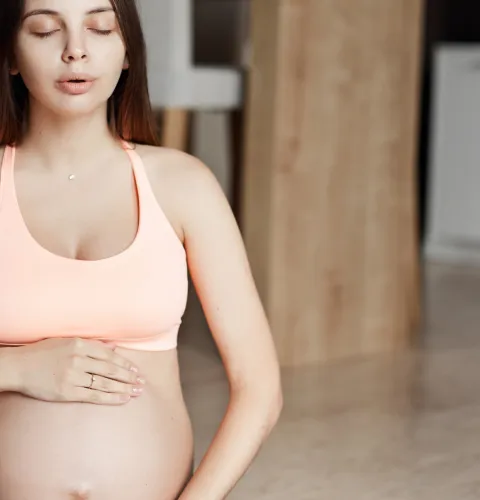
Not much is known about the complex factors involved in developing anxiety during pregnancy, but the truth is that between 20 and 30% of women experience some kind of anxiety while pregnant. Pregnancy alone can lead to anxiety, because it is a time of huge physical and emotional change, bringing new challenges for the mum-to-be, for her relationship and for her new life.
A family history of anxiety can help predict it, but that is not always the case. Factors such as perfectionism, being very hard on yourself and not seeking help can contribute to high levels of anxiety. Ongoing stress from pressure at work, family relationships, fertility problems, constant worry, and fear of birth and motherhood can become real triggers for anxiety symptoms.
But what exactly is normal anxiety, and what isn't?
There is a clear difference between being worried about something and being consumed by that worry. Everyone worries; it is normal, natural and human, and it keeps a mum away from situations that could be dangerous for her and her baby.
Most pregnant women worry about being good mums, whether their baby is healthy and how their relationship might change; they may even become more emotional and sensitive, and lose a few nights' sleep to worry.
But if you persistently feel:
Difficulty concentrating;
Problems functioning normally at work or at home;
Feelings of despair;
A frequent sense of fear or restlessness;
Constant worrying and anticipatory thoughts;
A frequent feeling of panic;
Severe fatigue;
Irritability;
Restless, broken sleep;
Heart palpitations, hot flushes, dizziness, nausea and muscle tension.
If you are persistently experiencing high levels of one or more of these symptoms, this is neither normal nor healthy, and it can definitely affect your ability to function normally.
A mum-to-be's mental health should be given as much importance as her physical health, and women can feel very alone dealing with this during pregnancy, mainly because their partner or family may not understand how, at what should be such a happy time in their lives, they can feel so bad. The mum-to-be should make an effort to communicate and express her feelings, even when she feels vulnerable and misunderstood. It's important to remember that, during pregnancy, a mum is shaping and inspiring her baby's physical and emotional development inside her. The baby feels what the mum feels as if it were its own experience, and a mum who decides to act and overcome her challenges is also passing on to her baby the experience that challenges can be overcome.
High levels of anxiety affect mum and baby
When a pregnant woman suffers from high levels of anxiety, she may develop more physical complaints than other pregnant women, and may be more likely to have a premature birth, a caesarean section, a low-birth-weight baby and a low APGAR score in the newborn. She may also be at greater risk of developing post-traumatic stress and postnatal depression.
The stress hormones triggered by the mum's anxiety also affect the baby's physical, emotional and mental development. Long-term effects include greater emotional reactivity in the baby, attention problems and difficulties in bonding between the two.
How to treat anxiety during pregnancy
Today there are many effective alternatives for treating anxiety during pregnancy that do not involve medication.
Studies show that breathing and relaxation techniques significantly reduce anxiety, helping the mum-to-be turn inwards, to her body and her breathing , focusing on her wellbeing and taking the opportunity to connect deeply with her baby at such an important moment in their lives.
Pregnancy yoga and meditation have also shown excellent results in stabilising stress hormones. A pregnant woman should also prioritise her sleep, and can even set aside a time during the day to slow down and become aware of her feelings and her baby. During the day, she can take a 10-minute walk or book a trip to the pool to relax in the water, sharing the same aquatic environment as her baby and helping them connect . Listening to music, eating healthily, or simply having a massage from a professional or from her partner are other ways to calm anxiety.
Get informed and arm yourself with knowledge
These strategies, alone or combined, may be enough to help a pregnant woman feel less stress and anxiety, becoming aware of her inner environment, her triggers and reactions, and so changing her habits and behaviours. Always remember that you will have your baby and your maternal instinct on your side, and that you really will know what to do once you take positive thoughts of confidence and joy to heart. You are the best mum for your baby, and what your baby will really need is all your love.
Article written by Yoga Teacher and Antenatal Educator Susana Lopes, Founder of the Yoga e Maternidade project
An article by clinical psychologist Ana Beatriz Sousa explaining the importance of mental health after giving birth.
Read more
Getting back into exercise after giving birth can be a challenge. This article answers the most common questions.
Read more
Comments (0)
Be the first to comment on this article.