






Postnatal Mental Health: Recognising the Signs and Taking Care
An article by clinical psychologist Ana Beatriz Sousa explaining the importance of mental health after giving birth.
Read more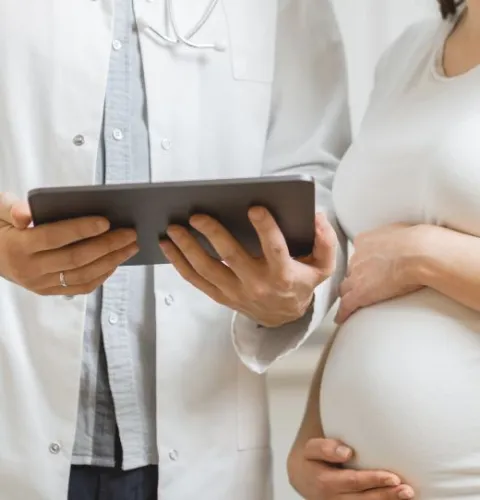
Although symptoms of allergic disease most often begin in childhood and adolescence, they can appear for the first time during pregnancy.
In pregnant women already diagnosed with allergic disease (allergic rhinitis, asthma, eczema), the rule of thirds applies: during pregnancy, 1/3 of women with allergic disease improve, 1/3 stay clinically the same and in 1/3 of women the allergic disease gets worse.
In women who have more than one pregnancy, the course of their allergic disease during this stage of life is similar to what happened in previous pregnancies. For example, if they improved in previous pregnancies, they will also improve in later ones.
Women are always wary of taking medication during pregnancy, whether it's medicine taken for the first time or medicine they were already taking to keep their allergic disease under control. The main fear is that the medication will harm the baby, which is why it's not unusual for regular medication to be stopped as soon as a woman finds out she is pregnant.
This should not happen without medical advice. On the one hand, there is a wide range of medicines that can be taken safely during pregnancy, with no risk to the baby. On the other hand, a flare-up of allergic disease from stopping or reducing medication can be harmful to both mother and baby.
There are several consequences of not keeping allergic disease under control during pregnancy, including:
Intrauterine growth restriction, meaning the baby doesn't grow as expected.
Premature birth, with all the possible consequences of prematurity.
Complications during birth.
Low birth weight.
Asthma inhalers (commonly called “puffers”) are an example of medicines that are stopped very early in pregnancy. This is why there is a significant number of severe asthma attacks in pregnant women.
If you have allergic disease and are pregnant or planning to become pregnant, do not stop your medication without speaking to your allergist. Several medicines can be taken during pregnancy and are safe. The consequences for you and your baby of not keeping allergic disease under control can be serious, including premature birth and the loss of the baby.
When symptoms appear for the first time during pregnancy, you should see an allergist to start appropriate, safe medication, when it is indicated!
Being followed up at this stage of your life will help you feel more secure, and taking the right medication will improve your wellbeing and your baby's.
Article written by Dr Marta Chambel, Allergist and founder of the SOS Alergias project
An article by clinical psychologist Ana Beatriz Sousa explaining the importance of mental health after giving birth.
Read more
Getting back into exercise after giving birth can be a challenge. This article answers the most common questions.
Read more
Comments (0)
Be the first to comment on this article.