






Postnatal Mental Health: Recognising the Signs and Taking Care
An article by clinical psychologist Ana Beatriz Sousa explaining the importance of mental health after giving birth.
Read more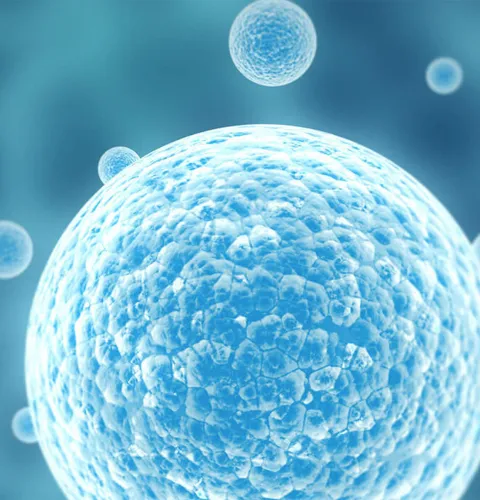
Stem cells, also known as mother cells, stand out from other cells because they are undifferentiated, which means they do not have the functional specialisation that characterises adult cells.
They can give rise to the various cell types that make up an organism, and they reproduce through continuous division over long periods of time.
In short, their role in our body is to repair damaged tissue and replace cells as they die.
This explanation becomes simple if we consider that, throughout our lives, the human body, because of the stresses it is exposed to, undergoes repeated renewal of the tissues it is made of. So, as our cells age and die, they are continually replaced to keep everything in balance.
What makes this cell renewal possible is stem cells, thanks to their enormous ability to multiply and turn into the tissues that are needed.
Article written by the BebéVida Team, Umbilical Cord Blood and Tissue Stem Cell Cryopreservation Laboratory
An article by clinical psychologist Ana Beatriz Sousa explaining the importance of mental health after giving birth.
Read more
Going home after the birth can be one of the most symbolic moments of the postpartum period. Prepare for it in the best possible way.
Read more
Comments (0)
Be the first to comment on this article.