






Postnatal Mental Health: Recognising the Signs and Taking Care
An article by clinical psychologist Ana Beatriz Sousa explaining the importance of mental health after giving birth.
Read more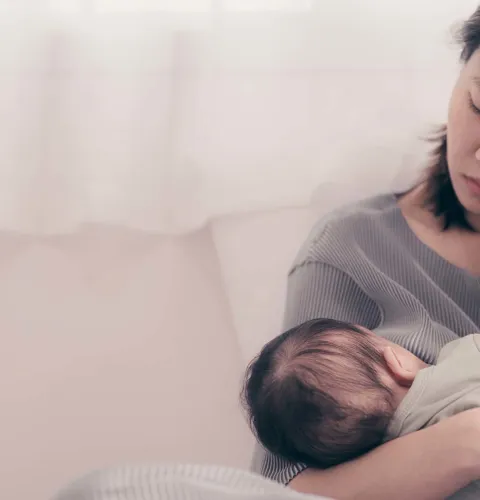
Having a baby is one of the happiest moments in many women's lives, but having to adjust to motherhood, going through all the associated hormonal changes and coping with tiredness can sometimes leave you feeling sad and low. These feelings, known as the Baby Blues, are very common.
They can appear from the first week after the birth and usually go away after a few days, with support from your family and some rest.
However, one in ten women may develop a more serious type of depression: postnatal depression.
How to overcome postnatal depression
According to the experts, this is just a period of adjustment that usually passes quickly. Remember that many other mothers feel the same way and there is nothing wrong with you.
The advice for mums is to rest as much as possible. Put off some visits and accept help from friends and family with housework, shopping and whatever else you can. Talk to someone close to you who will support you without judging how you feel. There are now many online support groups where other mums share their experiences and talk about it, realising that other people feel the same way and can help.
Try to rest whenever your baby sleeps during the day so you don't get so tired, and try to eat a healthy, balanced diet.
How to recognise postnatal depression
If the symptoms persist, or begin two to eight weeks after the birth, you may be suffering from postnatal depression.
Some of the symptoms are:
- Depression: feeling unhappy or sad, hopeless or overwhelmed for no apparent reason.
- Tiredness: difficulty or even inability to do household tasks, finding it hard to get dressed or get out of bed
- Anxiety: worrying excessively about your baby's health or your own, feeling pain that your doctor cannot explain, alternating between periods of oversleeping and periods of insomnia, feeling panicky and unable to stay calm in everyday situations.
If you have any of these symptoms, see your doctor and seek help. Your doctor can advise you on the most suitable treatments for you.
Look for a local mother and baby group, online or near you, where you can find support, make new friends and share experiences of motherhood.
Article written by the Mamãs Sem Dúvidas Team, based on the DGS guide ''Promoting Mental Health in Pregnancy and Early Childhood''
An article by clinical psychologist Ana Beatriz Sousa explaining the importance of mental health after giving birth.
Read more
Going home after the birth can be one of the most symbolic moments of the postpartum period. Prepare for it in the best possible way.
Read more
Comments (0)
Be the first to comment on this article.